


28/06/26
 
About Debate 4 | Museum Charges: Curating Spiritual Presences
The DCNtR Debate No. 4 Museum Charges: Curating Spiritual Presences focuses on the ethical, methodological, and epistemological challenges in exhibiting and curating sacred or spiritually charged artefacts. We define the latter as artefacts used in religious rituals, possessing a sacred aura, but also epitomizing key historical events, cultural memory, and identity claims (Stengs 2014) for […]

08/07/26
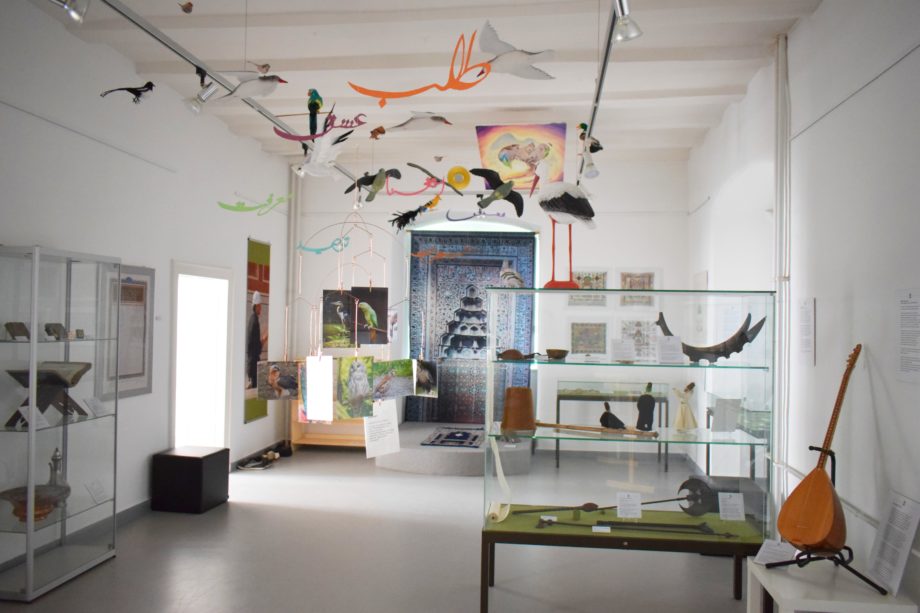
Geschützt: The Expression and Exhibition of the Mystical Features of Islam through Iranian Epigraphic Objects
Es gibt keinen Textauszug, da dies ein geschützter Beitrag ist.

08/07/26
Geschützt: A Rod of God
“Knitted Anatomy” as a Response to Human Remains in Exhibitions
Es gibt keinen Textauszug, da dies ein geschützter Beitrag ist.

08/07/26
Geschützt: Letters Left at the Threshold
Ritual Writing and Dispersed Memories on Green Island, Taiwan
Es gibt keinen Textauszug, da dies ein geschützter Beitrag ist.

08/07/26
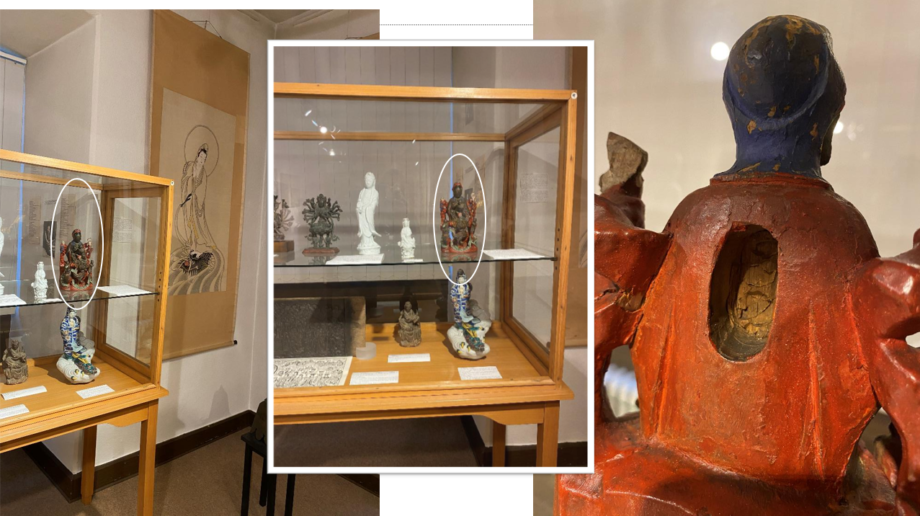
Geschützt: Traces of Guanyin
In Search of Untold Stories and Practices in Museums
Es gibt keinen Textauszug, da dies ein geschützter Beitrag ist.

28/06/26
Curating Spiritual Presence
Strategies for Communicating Emic Perspectives on Ancestor Worship in the Oceania Exhibition Space
Introduction The Museum of Religions, also known as Religionskundliche Sammlung (Collection for the Study of Religions), was founded in 1927 by the protestant theologian Rudolf Otto. His influential work The Idea of the Holy (1917) emphasised the emotional dimension of religious experience as a central element of all religions. Otto’s idea that the ‘numinous’, namely […]

28/06/26
Introduction to the DCNtR Debate 4 | Museum Charges: Curating Spiritual Presences
Preamble In this boasblogs‘ DCNtR Debate No. 4 entitled Museum Charges, we explore the ethical, methodological, and epistemological challenges in curatorial practices through the angle of spirituality. This perspective within museum studies was initiated by Carol Duncan in her seminal work Civilising Rituals (1995). Furthering Victor Turner’s (1979; cfr Duncan 1995, 11) reflections on liminality […]