














































 | 06/08/26 |
Traces of Guanyin
In Search of Untold Stories and Practices in Museums
Hollowed Deities’ Statues as Spiritual Charges: an Overview of the Project
„Traces of Guanyin“ is a curatorial project exploring how the deconsecration of sacred icons of Chinese religious deities relates to museum collecting and curating. Both online and on-site, it draws on my MSCA-CZ project, „Processual Decay Paradigm,“ at Palacký University Olomouc. The project focuses on two statues with hollows on their backs—a Buddha and a Guanyin. The Buddha was collected by Xaverian missionaries for their Museum of Chinese Art and Ethnography in Parma. The Guanyin was donated by the Protestant pastor and Sinologist Heinrich Hackmann (1864-1935) to the Religionskundliche Sammlung of Philipps-University Marburg.
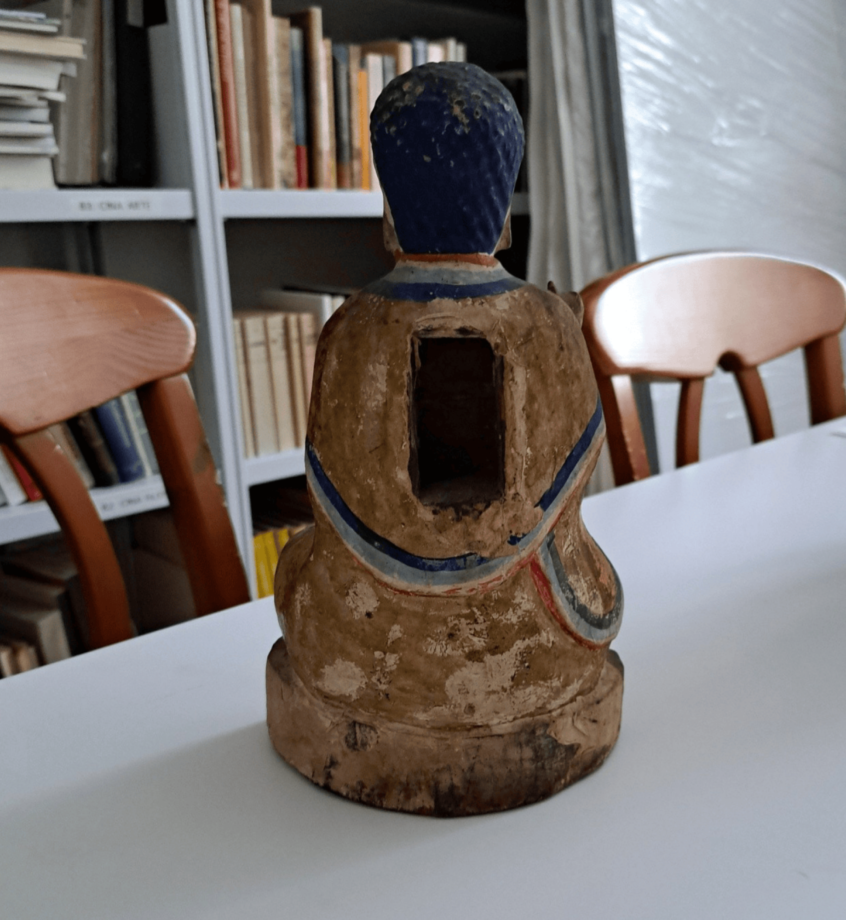
Fig 1. The hollowed back of the Buddha at the Museo d’Arte Cinese ed Etnografico, Photo by Valentina Gamberi, courtesy of the museum
In Chinese religions, especially Chinese popular religion—a mix of Daoism, Confucianism, and Buddhism practised by Han and Hakka in China, Taiwan, and other areas—Daoist priests or other ritual specialists might spiritually potentiate god statues by placing sacred objects in hollows carved into the backs of the statues before consecration. Removing these sacred substances usually occurs after deconsecration rituals, which expel god spirits through spells. Unsealing the statue before completing deconsecration rituals is typically done for two reasons. First, worshippers might reuse the sacred substances to consecrate a new statue of the same deity. Second, they might preserve or resell the statues as artworks instead of burning them at the end of rituals. In this case, unsealing and removing the sacred contents are necessary to prevent the god’s spirit or any other spiritual entity from lingering.
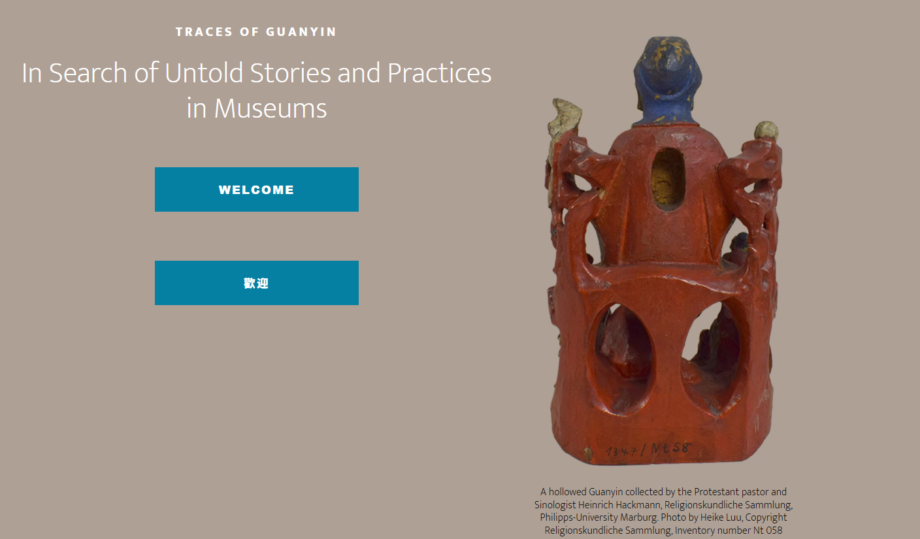
Fig. 2 The screenshot of the exhibition’s homepage with the hollowed Guanyin collected by Heinrich Hackmann. The photo of the Guanyin used for the exhibition was realised by Heike Luu, Inventory number Nt 058, © Religionskundliche Sammlung
Hollowed statues become secular objects fit for collecting, and the hollows remain traces of their past ritual use. Deconsecrating and unsealing Chinese deity statues can show disrespect by breaking the bond between worshippers and gods, yet this is also needed to collect these icons properly. Statues of Chinese popular religious deities represent the spiritual charges of “Traces of Guanyin.” They are ritually charged to become sacred icons but are also charged once they cease to be worshipped, generating taboos, controversies, and debates over their use.
Conservation reports do not clearly explain how the hollows were unsealed or how the Buddha and Guanyin statues were collected or curated. This project retraces possible transformations of the statues using literary and ethnographic sources, such as missionary literature, travel diaries, and my own fieldwork on deconsecration rituals among Chinese popular religious believers in Taiwan. Although the statues were collected in mainland China and popular religion varies by region, fieldwork in Taiwan revealed challenges for spiritually charged statues in European museums: deconsecrating and collecting deity statues is controversial and taboo, and there is no consensus among believers on how to treat them.
Traces in this project are a key term for orienting the audience through these controversial debates. Traces include both material traces —physical signs of past events, often undocumented in museums, such as the statues’ hollows—and narratives constructed by researchers, curators, and visitors. By comparing 19th-century literary material with contemporary ethnographic accounts of deconsecration rituals, “Traces of Guanyin” questions how ethnographic practice over the centuries has addressed these rituals and the taboos associated with them, and how it has informed museum practices.
Ultimately, the exhibition focuses on a key question: should knowledge of deconsecration rituals shape responsible museum practice, and if so, how? The exhibition’s design process showed that this question does not have a simple answer. This contribution to Boasblog Debates reconstructs how I formulated my curatorial concept based on fieldwork, how I addressed the main challenges I faced, and how the workshop “Museum Charge(s)” helped shape future steps for “Traces of Guanyin.”
The Challenges of Deconsecration Rituals: a Taboo
In Chinese popular religion, deconsecration rituals untie the chain of reciprocal obligations established by consecration rituals (Reich 2021; cfr. Pavone 2024). When god spirits are ritually installed, they are believed to ensure harmony and protection for worshippers and their environment. If deconsecrated, gods become wandering spirits, waiting for another opportunity to reside in a statue.
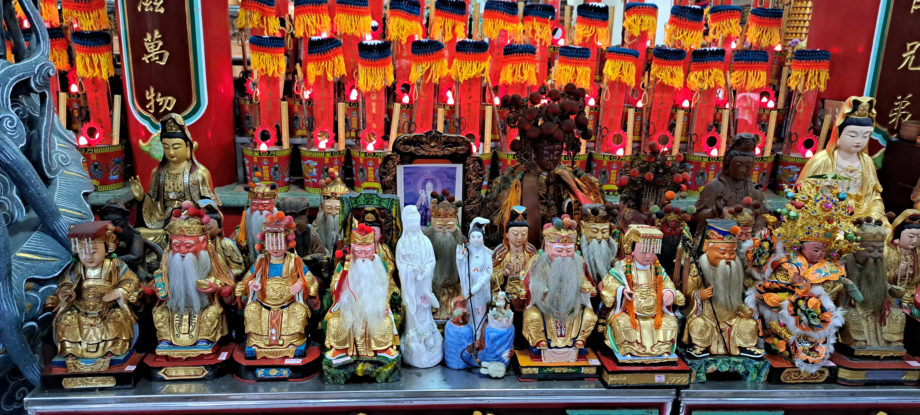
Fig. 3 Statues displayed for the deconsecration ceremony in Daitian Gong, January 2025, Photo by Valentina Gamberi, courtesy of Daitian Gong committee members
As deconsecration rituals weaken their power, gods might vindicate themselves. If statues of deities are ritually neglected, discarded, or abandoned, other spiritual entities—especially ghosts, the spirits of the deceased still wandering the living world—might take possession of the statues and contaminate those who come into contact with them. Worshippers who discarded the statues are believed to face misfortune, as these statues are seen as the direct cause of this lack of equilibrium.
Because deconsecration rituals can cause disruptions, they are often seen as taboo and stigmatised. Yet demand for them remains high, especially for family altars. Busy lifestyles, building regulations prohibiting incense burning, and the loss of elders who kept traditions make it difficult to fulfil rituals. Some temples may also close due to fewer visitors.
There is disagreement over whether deconsecration rituals should be performed, how they should be conducted, and whether the gods‘ spirits have returned to heaven. This lack of consensus leads to inconsistent terminology. Distinguishing between respectful and disrespectful deconsecration is ambiguous. Terms suggesting disrespect can label gods’ statues as collectables or disposables, and may discredit those who use them. Stigma often prevents people from sharing their experiences of deconsecration. Few temples admit to performing them, fearing possible discredit. In addition, access to family shrines during these rituals is almost always limited to family members and ritual specialists. As a result, documenting and narrating deconsecration is complex.
Stigmas and taboos surrounding deconsecration shaped my ethnography and raised ethical concerns. I could only attend public deconsecration rituals at temples such as Daitian Gong in Keelung, which specialised in these services and made the rituals acceptable to families. I also relied on anecdotes from ritual specialists. I did not collect statues that were abandoned, deconsecrated, or acquired through the second-hand market. The deeply spiritual charge of these statues and the ethical conundrum of their collection among Taiwanese informed this choice.
These limitations in my fieldwork raised ethical and curatorial concerns as I began designing the curatorial project. How to represent something invisible but highly taboo, and how to share the scanty visual material in a way that could be ethically acceptable, without compromising respect for fieldwork informants? In the following sections, I will unpack how I attempted to answer this dilemma.
Tackling the Taboo: Curatorial Approaches
Displaying and curating taboo or sensitive objects in museums is not new (Weiser, Bertin, and Leshchenko 2023). Scholars debate whether local stakeholders believe sacred artefacts not meant for display can be reproduced (Debrosse 2023). Recent exhibitions show that reproducing sacred material is not always respectful. In some cases, it can exploit expert or ritual knowledge (Hofmann et al. 2025). In other cases, museums may not show artefacts and indicate their absence with text or an empty platform. Scholars advise working with local stakeholders to determine the most effective way to describe, conserve, and display each artefact. There is no agreed-upon approach to deconsecration, nor a shared language. Co-construction with local stakeholders can unintentionally exclude believers with different views, as noted elsewhere (Shatanawi 2012).
With “Traces of Guanyin”, I deliberately avoided prescribing a curatorial method from my fieldwork, aiming instead to highlight the plurality of deconsecration rituals. Rather than privileging a single narrative, I emphasised that each informant’s perspective held equal value. This approach was inspired by the film The Abandoned Deity (Kao, 2019), which follows a Tudigong statue discarded during Taiwan’s 1980s Lottery Era, when gamblers asked the gods for lucky numbers and discarded them if their suggestions were unsuccessful. Told from the statue’s perspective, the 3-D film immerses viewers in its experience and reveals the human contradictions that shape its fate. By inviting audiences to embody Tudigong, the film encourages the suspension of judgment and deepens understanding of the event’s complex social and individual layers. Similarly, “Traces of Guanyin” preserves diverse voices and stories while deliberately withholding judgment about what constitutes “good practice” with deconsecrated material, sharpening the main argument of multiplicity.
I substantiate this curatorial approach by designing two interrelated exhibitions—one online and one on-site—and by adopting various creative media, including scrapbooking, drawings, photographs, and creative writing. These media serve as records of research stages and voices of the different actors involved, reflecting the project’s framework through traces as both material remains and narrative trajectories. Each exhibition uses expressive media differently, according to the possibilities and limits of an online website and an on-site exhibition with limited space in the department’s corridor.
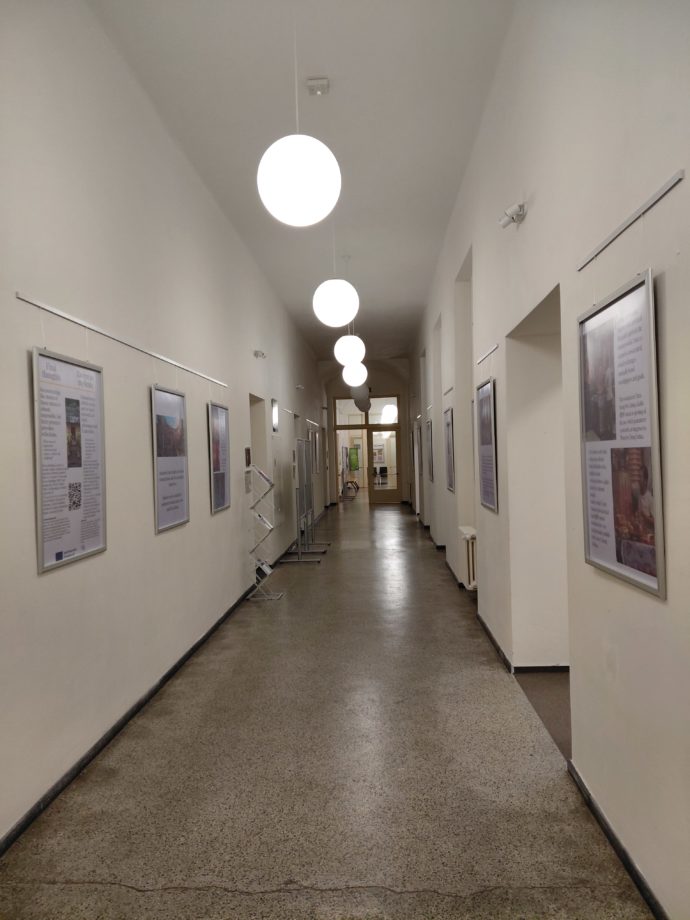
Fig. 4 The corridor of the department where the onsite exhibition was displayed, Photo by Valentina Gamberi, courtesy of the Department of Asian Studies, Palacký University Olomouc
The online exhibition guides visitors from the discovery of two hollowed statues in the museum to my fieldwork in Taiwan and explains my research process. It thus shows one possible interpretation of how museums house and curate the statues of hollowed Chinese popular religious deities. The onsite exhibition examines deconsecration rituals by focusing on shrines that shelter abandoned or relocated statues. It thus starts from a case study to explore deconsecration rituals in detail. The two exhibitions target different audiences: the online exhibition targets the Taiwanese public, popular religious believers, and collaborators. The onsite exhibition is for Palacký University’s staff and students, as well as the broader Czech audience. The first audience may want to know how and why I began researching this sensitive topic and learn about my archival work in museums. The second audience, less familiar with Chinese popular religion, can connect more easily through the case study.
The Onsite Exhibition: “Traces of the Sacred: Ephemeral Altars in Taiwan”
The onsite exhibition is based on the online exhibition. It utilises a portion of the photographic material used for the online exhibition and rearranges it according to the specific focus I chose, namely “ephemeral shrines”. I used this term to refer to shrines constructed with precarious materials, widespread across Taiwan’s mountainous areas and along its riverbeds.
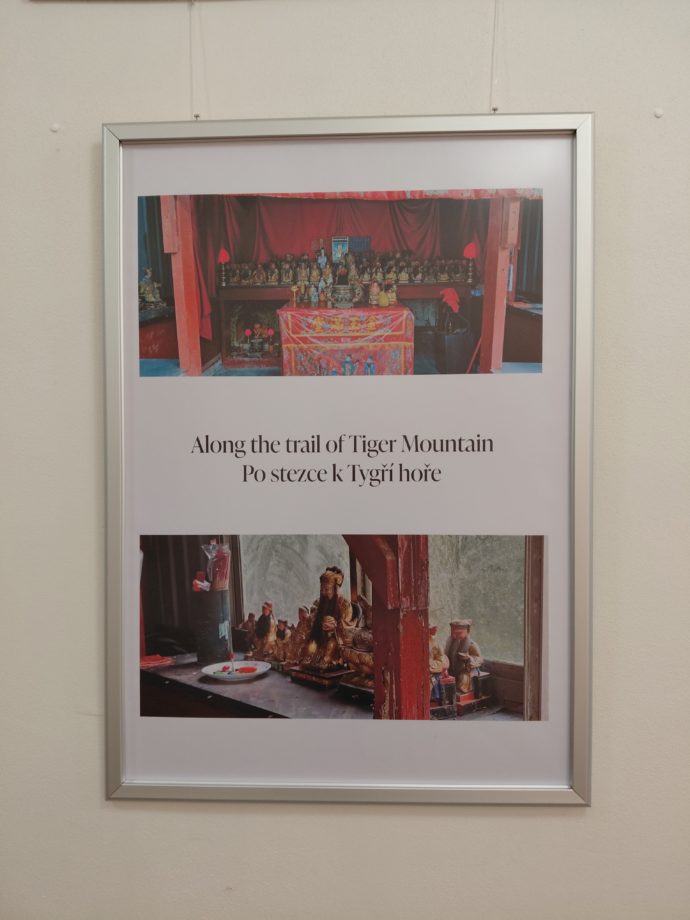
Fig. 5 An example of an exhibition panel. Photo by Valentina Gamberi, courtesy of the Department of Asian Studies
These shrines can be easily documented photographically, and their unknown origins and the statues they contain—their signs of decay, varied dimensions, materials, and styles—address the ambiguity of deconsecration rituals in a direct, accessible way for a general audience unfamiliar with Chinese popular religion. The shrines were built both to venerate the deities’ statues as sacred icons and to protect against potential divine retribution for neglect and abandonment. The statues’ unknown origins leave open the motivations behind their abandonment, whether due to a lack of resources for a formal deconsecration ceremony or a lack of religious respect. By viewing photographs of these shrines, the audience is asked to suspend judgment and reflect on the complexities of caring for statues of Chinese popular religious deities. Ample space is given to explanatory texts that depict the religious context needed to understand these ambiguities; in the same way, deconsecration and consecration rituals are shown to clarify the various ritual obligations and choices available to worshippers when they can no longer worship their god statues.
The Online Exhibition: “Traces of Guanyin”
The online exhibition, whose title coincides with the overall curatorial project, is structured as a research query. The first session presents a dialogue between the Buddha and Guanyin, imagined as whispering to each other at night, when the museums are closed to the public. The two statues complain that the museum archives contain insufficient information about them, in particular that their hollows are merely described as part of their conservative characteristics, without explaining why the two statues are hollowed. The usage of creative writing in this first session, where the Buddha and Guanyin are allowed to speak as if they were characters of a piece of fiction, makes the audience reflect on the fact that museum artefacts have their own story and voice regardless of what we can or cannot find in the archival documentation. At the same time, creative writing condenses information whose connection is meaningful for the exhibition’s sake, and that would be otherwise disjointed in the archive.
The dialogue continues in the second session with the introduction of written accounts by Xaverian missionaries and Heinrich Hackmann. These sources are the only ones I found in my archival research and offer a broader context on how collectors typically viewed Chinese popular religious statues and material religion more generally. Buddhism and Chinese popular religion were often conflated and compared with other religions, particularly Christianity. Additionally, descriptions of Chinese popular religious deities’ statues referred to them as decaying „idols,“ left in unstable temples or even mutilated when worshippers felt their requests unmet. In this framework, such depictions were used to argue for the „moral superiority“ of the Christian God and for the necessity of conversion.
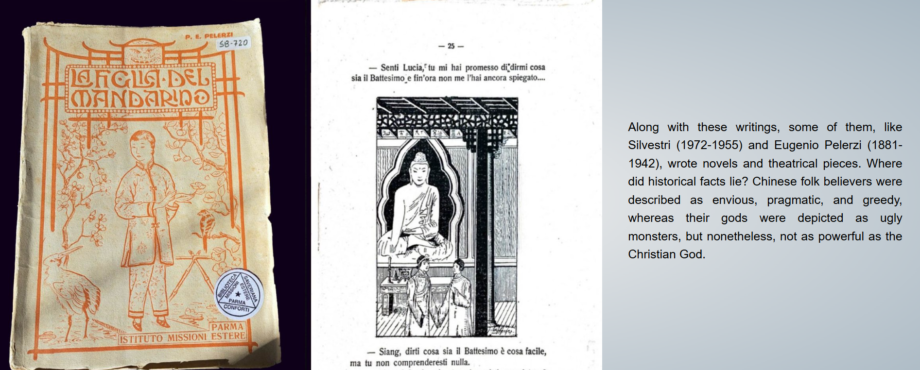
Fig. 6 A screenshot of the part of the exhibit examining archival material. ©Valentina Gamberi
As this archival material did not explain why, how, or by whom the statues were unsealed, in the third session I take the audience through the ethnography of contemporary deconsecration rituals I experienced in Taiwan. This journey uses three creative media: photos and descriptive texts to explain the various ritual stages of consecration and the deconsecration practices I observed in Daitian Gong, showing their connection and clarifying the taboo nature of deconsecration; scrapbooking that mixes drawings with photos and elaborations from my fieldnotes to account for my ethnographic experience; and drawings in the shape of comics to detail the methodological choices and reflections I developed throughout fieldwork and after, while rereading my notes back in Europe.
Photos, which are also used in the second session, trace the chronological unfolding of the research’s quest. In addition, photos clarify the various stages of consecration and deconsecration rituals, as well as specific ritual practices that the audience should consider as part of a dialectic that explains why these practices are controversial. When I did not have photographs of the entire ceremony or of a specific ritual stage, I resorted to drawings.
Beyond serving as substitutes for pictures in the absence of documentation, drawings and scrapbooks address other ethical challenges of the project. First, they account for the deconsecration rituals I observed and the stories I listened to whilst granting anonymity to my interlocutors. Second, they critically reassessed the ethnographic accounts compiled by the Xaverian missionaries and Heinrich Hackmann. Whilst the accounts and fieldnotes written by the latter do not question the narrators’ understanding of Chinese popular religion nor present differing opinions among Chinese worshippers, my drawings position my voice alongside those of others in the field.
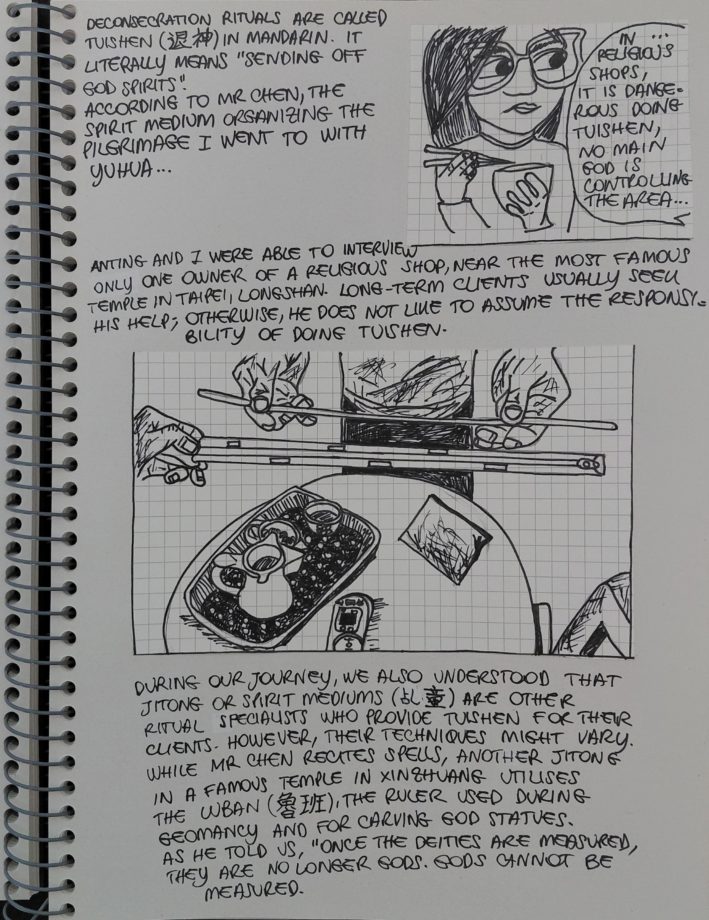
Fig. 7 An example of a drawing realised for the exhibition, © Valentina Gamberi
In particular, my drawings mirror those of one of my closest Taiwanese friends, Yuhua Chang, who accompanied me in the field and shared her mother’s and her own experience with the topic. Yuhua’s drawings thus pluralise the voices on deconsecration rituals within the exhibitive online space. In addition, my drawings crucially convey my awkwardness, feelings, and doubts as I research a taboo topic, cautioning the audience against making assumptions about Chinese popular religious believers or endorsing a “correct curatorial method” for handling deconsecrated statues of Chinese popular religious deities in museums.
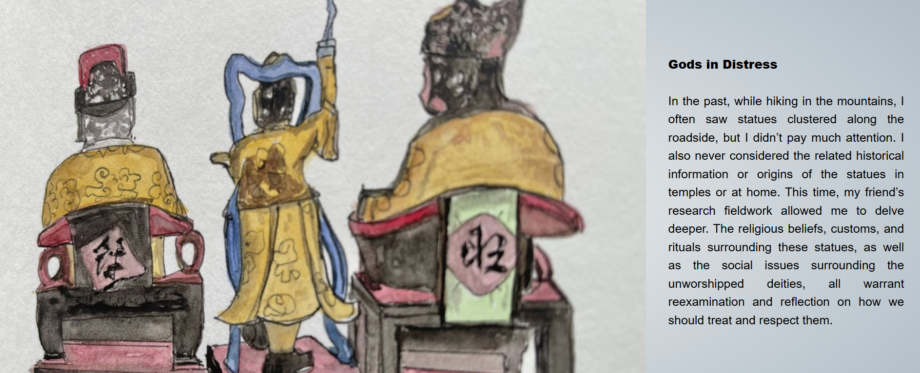
Fig. 8 A screenshot of Yuhua Chang’s contribution to the exhibition. Courtesy of Yuhua Chang
Additional Challenges in the Project: Collaborating with Contemporary Taiwanese Artists
The online exhibition offers a third perspective on deconsecration rituals through a photographic interview with contemporary artist Hung-Chih Peng, who realised the project God Pond at the Musée Guimet in 2009. This work used 606 discarded statues of Chinese popular religious deities to criticise the abandonment of gods during the gambling era in the 1980s and reflect on approaches to religion as a commodity developed in contemporary societies. I met Hung-Chih Peng during an interview I conducted with a Daoist priest. The two men had collaborated on a previous project, and the ritual specialist suggested we meet, given our shared research interests in deconsecration rituals. According to “Traces of Guanyin”’s curatorial concept, contemporary artists could further pluralise the perspectives on “deconsecration rituals”. I therefore decided to ask Peng to collaborate on the online exhibition.
In “Traces of Guanyin,” Peng addresses questions about his preliminary research on abandoned deities in temples, shelters, and secondhand markets through a photographic interview. He describes collecting statues from Mr Lu, who rescued abandoned statues in Hsinqu County. This interview highlights dilemmas and contradictions Taiwanese collectors face, especially the tension between their aesthetic preferences and the controversial spiritual nature of discarded god statues. After a short period displaying the statues at home, what Peng calls the “fierce force” (xiongqi 凶氣) emanating from them made him uncomfortable. He then selected a few statues with which he had a special bond to display in his house and packed the others, finding a museum collection for them.
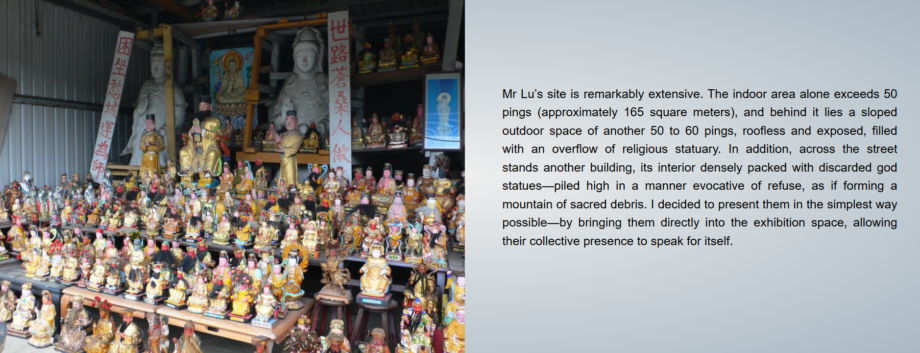
Fig. 9 A screenshot of Peng’s contribution to the exhibition. Courtesy of the artist
The focus of the photographic interview was the result of a series of reflections and revisions I made on the first draft of the “Traces of Guanyin” curatorial project. Initially, I had proposed to Peng to freely reinterpret God Pond through a video of around ten minutes. After further advancement in my fieldwork and preliminary feedback on my curatorial project during public seminars, I realised that a video directly inspired by Peng’s artwork could be risky for my exhibition. In God Pond, Peng established a provocative parallel between stray dogs and abandoned deities, both “repudiated by their owners”, displaying the discarded statues around a video of a stray dog licking the wall, with sentences that explain the Lottery Era. Worshippers could perceive this comparison between deities and dogs as blasphemous. The impossibility of finding another collaborator for my exhibition—due to the MSCA fellowship’s budget and time restraints—convinced me to co-construct the collaboration with Peng rather than ask him to rearrange his past artwork at will.
I proposed the photographic interview to replace the video and also selected the photos Peng had taken for his project. Many of his pictures at the shelter for discarded statues focused on their decaying condition. Mr Lu had already found these statues decayed and damaged, or had left them outside on purpose, considering them “too common” for private collectors or worshippers. As a result, these statues were exposed to the elements and infested with insects and vegetation. While Peng found their decaying condition aesthetically impactful, my friend Yuhua and I felt these photos could be uncomfortable for Chinese popular religious believers. I therefore selected images that conveyed the meaning of Peng’s answers without overemphasising the statues’ decay.
Concluding Remarks and Future Steps
“Traces of Guanyin” is a complex curatorial project. Its main aim is to stimulate a reflective, internal debate within European collections on the absence of narratives of deconsecration in museum exhibits, beginning with the ethical discomfort generated by both reading past ethnographic accounts and researching contemporary taboos associated with them. By occupying multiple positions—as a curator, a researcher, and a visual “artist“—and emphasising in all of them my doubts, insecurities, and reflexivity—I wanted to achieve two goals. On the one hand, deconstructing omniscient ethnographic accounts. On the other hand, I must protect my fieldwork informants whilst still reminding the audience of the rituals‘ controversial nature.
However, I am well aware of the project’s drawbacks, which were also debated during the workshop “Museum Charge(s)”. First, it does not conduct or disseminate detailed provenance research, nor does it offer a concrete curatorial intervention in the museum collections where the two statues are located. It does not display deconsecrated statues or create an interactive installation that involves the audience’s bodies. Although I incorporated Yuhua Chang and Hung-Chih Peng’s perspectives and works in the online exhibition, my own contribution to the exhibition is based entirely on my personal ethnographic experience, and I did not ask a visual artist or graphic designer to critically reinterpret it, thereby further pluralising perspectives and voices. As explained to both Susanne Rodemeier and Ipek M. Sur during the collective debate of the workshop, the impossibility of building up a temporary exhibition at the Religionskundliche Sammlung or elsewhere, as well as of selecting alternative visual artists than Hung-Chih Peng or collaborating with a graphic designer to diversify the visual outputs of the exhibition were both due to limited funds and time available for the curatorial project.
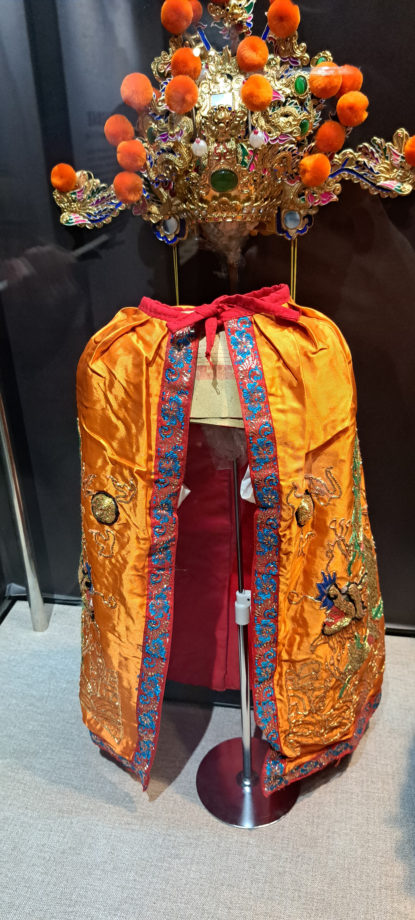
Fig. 10 A particular of the exhibition at the Tudigong Culture Museum, October 2025, Courtesy of the 桃園市土地公文化館, Taoyuan Tudigong Culture Museum, Photo by Valentina Gamberi, courtesy of the Tudigong Culture Museum
Second, Taiwanese interlocutors were not directly involved in the exhibition’s design. I reviewed the project’s content based on the stories and concerns of fieldwork interlocutors. I asked them to comment on photographs I took from the permanent exhibitions and museum archives of the Religionskundliche Sammlung and the Xaverian Museum in Parma. I also made the online exhibition accessible to a Taiwanese audience through Mandarin translation and the online format. However, fieldwork interlocutors never visited the two museums related to the project, nor did I (or the museums’ curators) invite them to co-construct a temporary exhibition or a curatorial intervention in the permanent gallery to address their challenges together.
We can say that “Traces of Guanyin” focuses on the spiritual charges of deconsecrated Chinese popular religious statues. These spiritual charges are addressed at an abstract, hypothetical level: I imagined potential challenges and criticisms drawn from fieldwork to create a space for reflection. In so doing, “Traces of Guanyin” represents the first step toward a broader series of curatorial interventions and projects that can be undertaken in the future, working with the same museum collections or elsewhere. As emerged during the workshop, future actions—such as introducing labels that explain the presence of holes in the statues and asking a Daoist priest to certify whether any spiritual presences still linger in the museum—could be part of continuing the “Traces of Guanyin” project. However, these future actions should be treated as possible interpretations and perspectives on the “topic of deconsecration,” and their limits should be clearly accounted for within the gallery spaces. I hope that “Traces of Guanyin”, in its current shape, has at least raised awareness on the importance of discussing these topics among curators and sharing them with the audience.
References
Debrosse, Clémentine. 2023. “Exhibiting the taboo of museums of ethnography”, ICOFOM Study Series [Online], 51(1–2) 2023.
Hofmann, Matthias Claudius, Richard Kuba, Christina Henneke, and Isabel Kreuder. 2025. Country Bin Pull’em. Looking Back Together. Bielefeld: Kerber.
Pavone, Marta. 2024. Quête de chance pour une vie prospère: ethnologie de l’économie de la chance dans le temple de Tudi Gong du Hongludi Nanshan Fude (Hang-lôo-tē) à Taïwan. PhD diss., INALCO.
Reich, Aaron K. 2021. “In the Shadow of the Spirit Image: The Production, Consecration, and Enshrinement of a Daoist Statue in Northern Taiwan.” Journal of Chinese Religions 49(2): 265–324.
Shatanawi, Mirjam. 2012. „Curating against Dissent: Museums and the Public Debate on Islam“. In Political and Cultural Representations of Muslims, edited by Christopher Flood, Stephen Hutchings, Galina Miazhevich, and Henri Nickels, pp 177–192. Leiden & Boston: Brill.
Weiser, Elizabeth M., Bertin Marion and Anna Leshchenko. 2023. “Introduction: Challenging the silences: Confronting taboos in museums and museology.” ICOFOM Study Series [Online], 51(1–2).
Valentina Gamberi is a MSCA-CZ postdoctoral fellow at Palacký University Olomouc from March 2024 to February 2026. She is an anthropologist focusing on museums, material religion and cultural heritage. Beyond journal articles and book chapters, she authored Experiencing Materiality: Museum Perspectives (Berghahn, 2021) and co-edited Haunting Ruins: Ethnographies of Ruination and Decay (Berghahn, 2025). As part of her current postdoctoral project, she curated the online exhibition “Traces of Guanyin” based on ethnographic and archival research. For more information about Valentina’s work, please consult her personal website.