


01/06/26
 
About
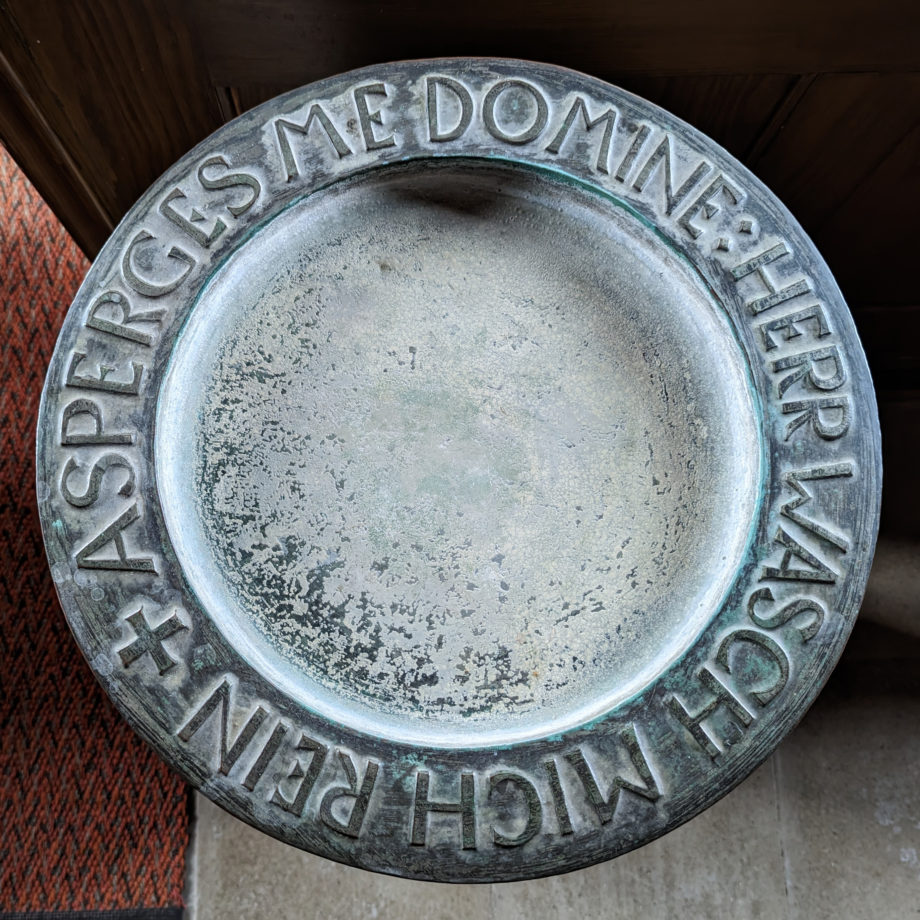
Welcome to the boasblog “Waterworlding”. This blog aims to promote critical debates on diverse understandings of water and analyze its complex interconnections. In recent years, water has increasingly become a social and political issue. When we speak about water, we often taken for granted that we all mean the same thing: water as part of […]

12/08/26
A Thesis on Water
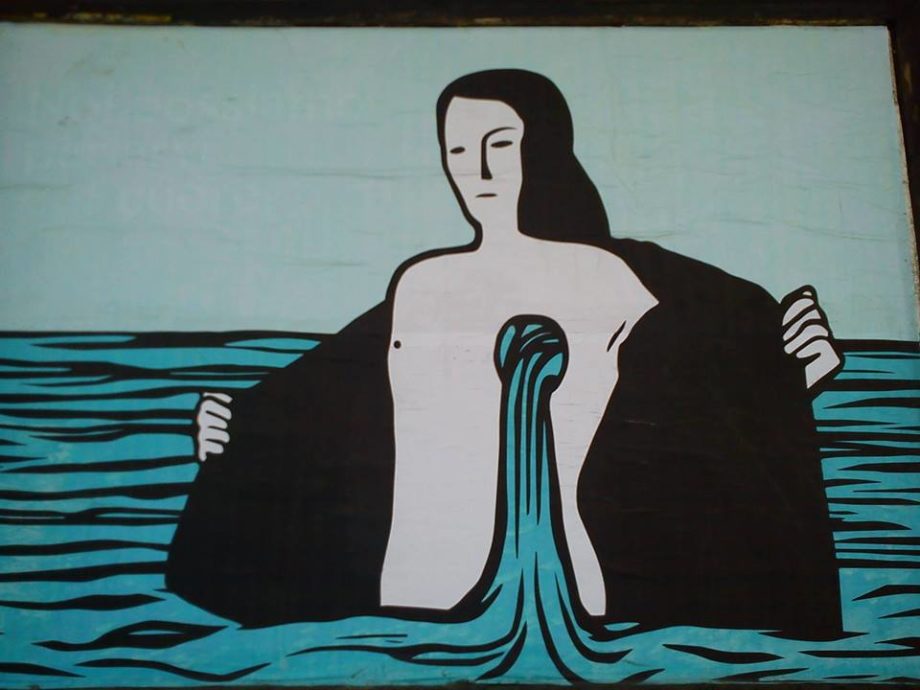
Abstract: If we are to rethink life, then water is the place to begin / Wenn wir das Leben neu überdenken wollen, dann wäre Wasser die Substanz, mit der wir anfangen sollten. I am writing this at a moment that many identify as a tipping point, with incremental crises compounding and potentiating each other to such a degree that the consequences become systemic and unstoppable. This is not only the case ecologically, but also socially. The world is already seeing the cascading effects of the geopolitical shifts triggered by the […]

04/08/26
An Anthropology of the Hydrosocial Anthropocene
Towards a Decolonial Perspective on Global Water Crises
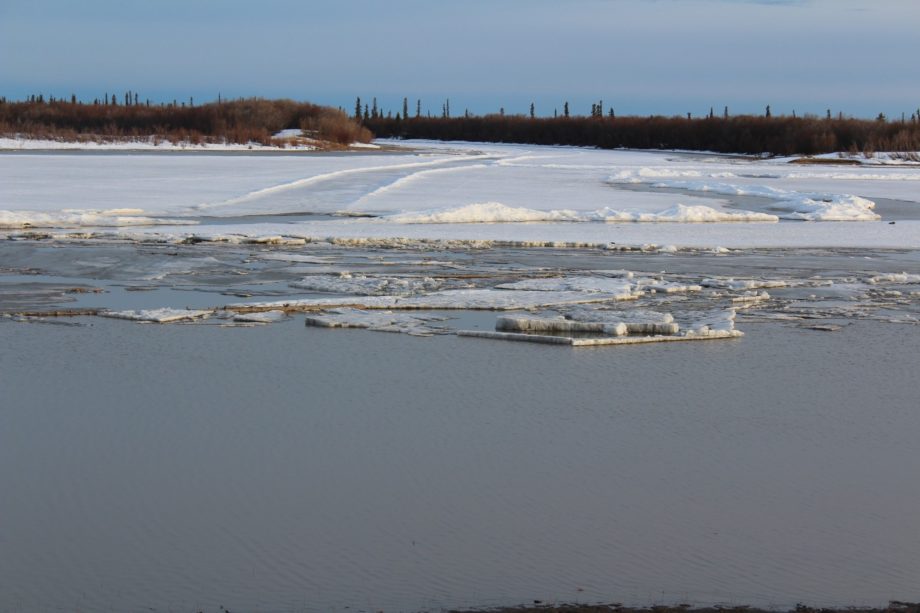
Water is one of the key elements through which the Anthropocene is experienced. From droughts and floods to melting ice and polluted rivers, contemporary environmental crises are increasingly shaped by the intertwined and historically grown dynamics of ecology, politics and infrastructure. This blog post argues that understanding these crises requires a “hydrosocial” perspective that sees water not as […]

28/07/26
WaterChildrenWorldings
On the Notion and Entanglement of Water Relations and Early Childhood
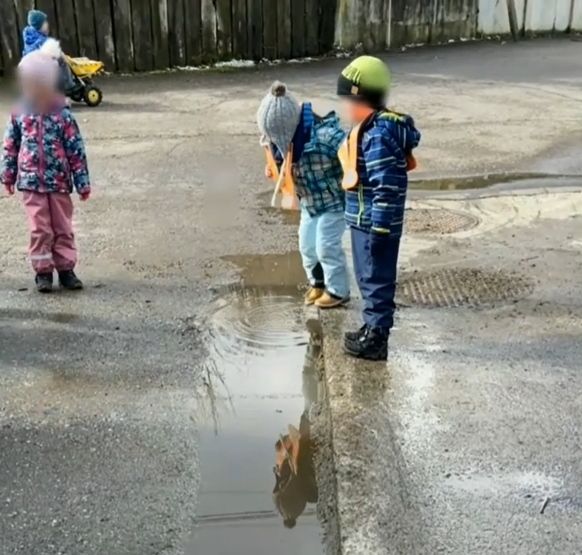
  Abstract (E)  Stories about WaterChildrenWorldings form the core of this contribution. Drawing on posthumanist and new materialist philosophies, they let us explore the relational “becoming-with” (Haraway 2008, 4) of children and water in the context of early childhood education. As a first analytical step, we examine three video stories generated through posthumanist ethnographic research in Swiss kindergartens to trace the […]

24/07/26
Worlding waters
Some thoughts on this blog as a site of waterworlding
  Worlding makes the story possible, but from the margins. (Tsing 2010, 57)   In 2010, Anna Lowenhaupt Tsing wrote a seminal piece entitled “Worlding the Matsutake Diaspora or, can Actor-Network Theory experiment with holism” (Tsing 2010) in which she operationalized the multifaceted theoretical concept of worlding from a methodological perspective.  Taking worlding as a set of connected relations in perpetual motion and transformation, she […]