














































 | 13/08/26 |
Letters Left at the Threshold
Ritual Writing and Dispersed Memories on Green Island, Taiwan
Introduction: A Sacred Place with Shadows
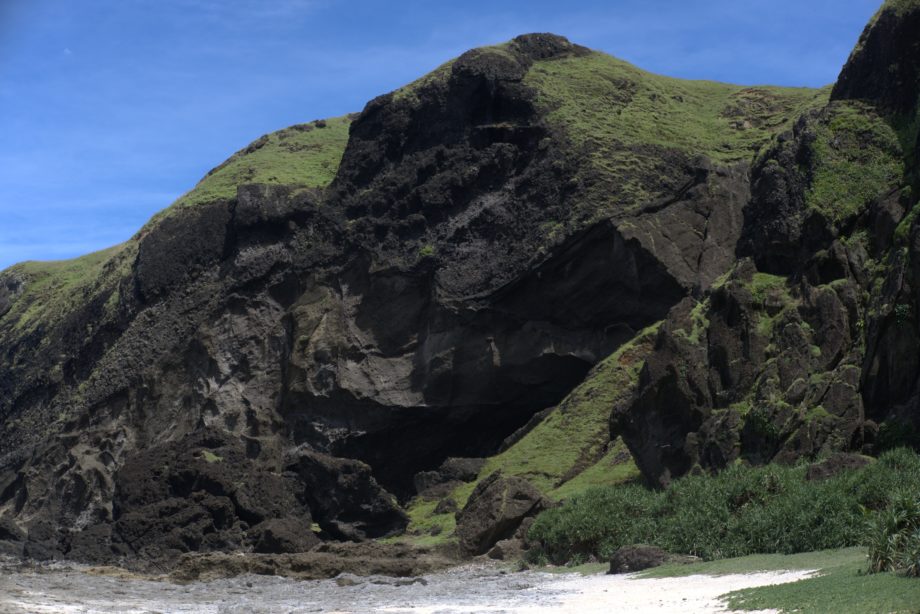
Fig. 1 The entrance of Swallow Cave, located in the shadowy part of the hill shown in the picture. ©Fang-I Chu
“We have never been to Swallow Cave. It’s too scary. Have you been there before?” Two little girls, writing their homework beside me on a hot afternoon, shared what they had heard about a tourist hotspot on Green Island. “My classmate told me that some tourists went to the Swallow Cave and never came out. Also, a cemetery next to it is scary.”
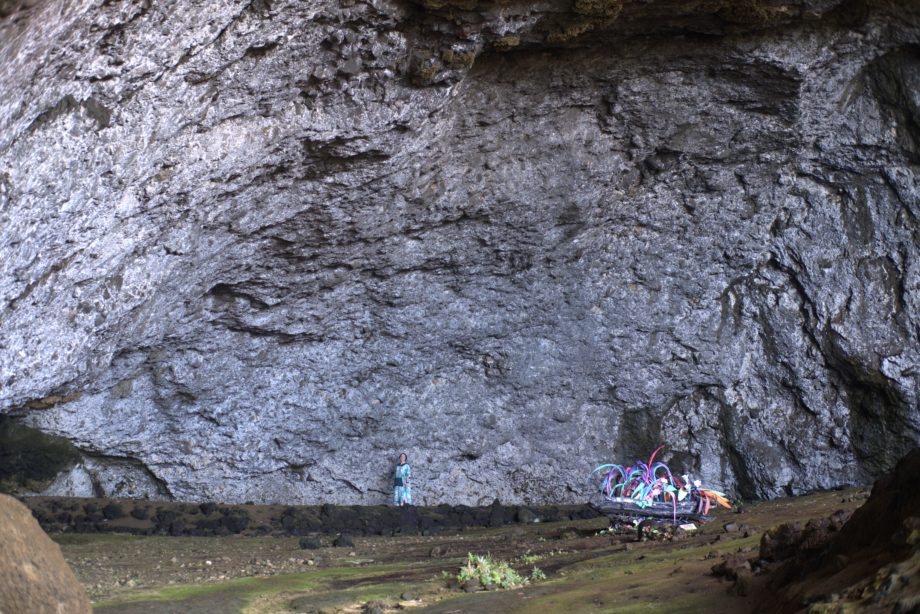
Fig. 2 My friend (approximately 150 cm tall) standing at the end of the cave. ©Fang-I Chu
The Swallow Cave and the cemetery they mentioned are affiliated with a local division of the National Human Rights Museum. This museum division, situated on the northeast coast of this 15 km² offshore island, was originally a political prison complex between 1951 and 1987. After the end of the Kuomintang authoritarian regime (1945–1992), the prison complex was temporarily preserved. In 2010, the central government decided to incorporate this remote prison into a nationwide museum reconstruction plan—under the theme of human rights. After years of planning, the National Human Rights Museum was officially established in 2018, and its Green Island division has since become an iconic institution on the island.
Before the museum was officially launched, the process was extremely challenging—requiring years of bottom-up pleading and negotiation, especially given the lingering influence of the KMT during Taiwan’s democratization (since 1992). For years, political victims, NGO workers, academic researchers, and even museum staff have revisited the island, testifying to the traces of authoritarian rule and seeking to transmit the significance of this site to future generations. These efforts—foregrounding political victims’ experiences and highlighting the authoritarian past—have endowed this museum division with irreplaceable status. As one interlocutor remarked, “Green Island is like a sacred land of democracy.” This description echoes Oscar Salemink’s (2022:252) notion of the “sacralization of humanity,” which is “based on a secular valuation of human life as the ultimate value, … as productive of specific, this-worldly discourses, subjectivities, and sensibilities.”
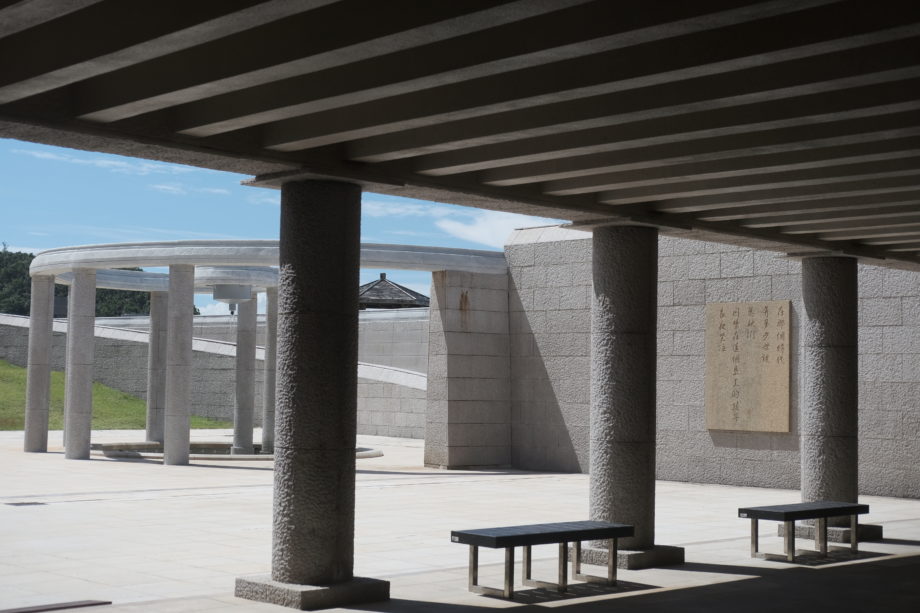
Fig. 3 A semi-underground monument about the island’s past. It states:「Zai nage shidai, you duoshao mucin, wei tamen cioujin zai jhege daoshang de haizih, changye kuci在那個時代,有多少母親, 為她們囚禁在這個島上的孩子,長夜哭泣」(How many mothers wept through long nights for their children imprisoned on this island during that era). ©Fang-I Chu
Such a sacred land also encompasses another religious dimension: the presence of the deceased from the authoritarian era. Visitors can easily encounter representations of these dead. For instance, in one corner of the museum division, the curators have recreated a part of the prison cemetery. Upon entering the space, one is met with dim lighting and white lilies surrounding a replica of a boundary marker—an object that signifies the cemetery’s perimeter. This replica evokes the tragic ends of certain political victims: individuals who died on this remote island while being held in isolation under extreme dictatorship.
In addition to the replica, visitors can also walk to the original cemetery, located about twenty minutes from the main museum building. There, the remains of political victims and soldiers still rest on a coastal hill. Continuing ten more minutes along the path, one arrives at the Swallow Cave—an enormous sea cave historically used for multiple purposes, including the isolation of certain prisoners. In some cases, it also functioned as a mortuary. Some bodies were cremated within the cave, and their ashes later buried in the nearby cemetery.
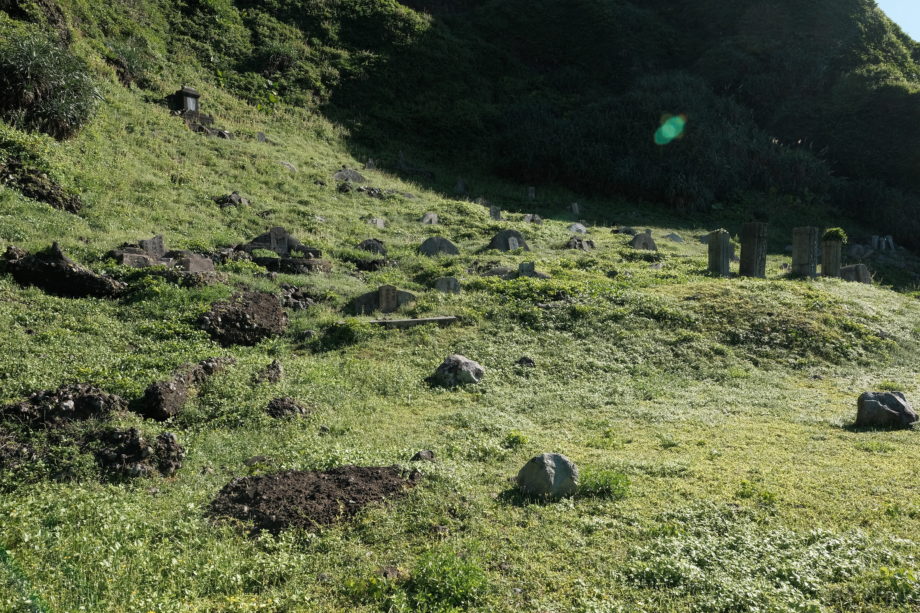
Fig. 4 The cemetery, also known as the Thirteenth Squadron, named in response to the original twelve-squadron design of the New Life Correction Center, a concentration camp on Green Island. ©Fang-I Chu
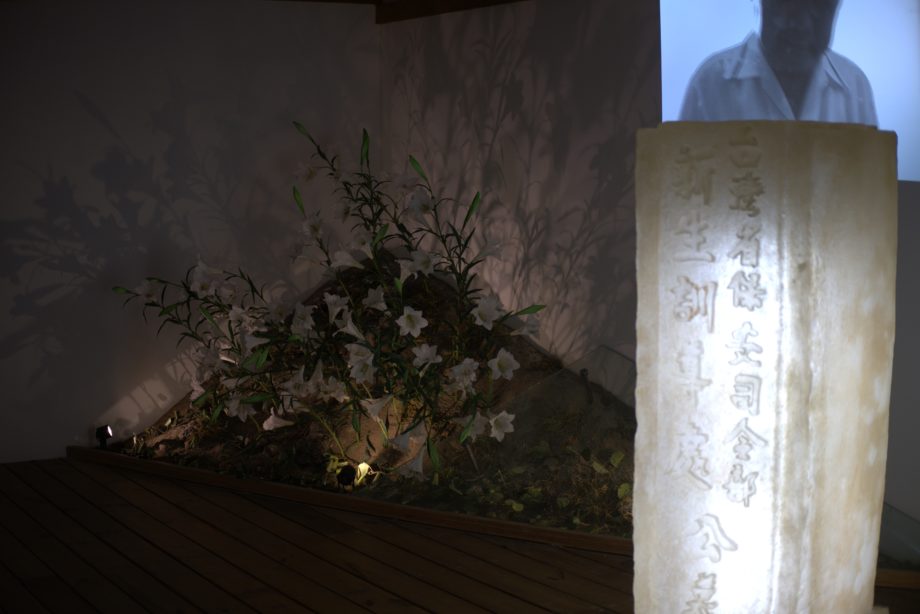
Fig. 5 The recreated part of the prison cemetery in the museum’s corner. ©Fang-I Chu
The religious aspect of the deceased, however, diverges in two directions. The first suggests a solemn, respectful attitude toward the dead. This can be observed in official commemorations held by government employees, political victims, NGO workers, and intellectuals promoting historical education. Their reverence toward the cemetery aligns harmoniously with the museum’s secular human rights ethos.The second direction, however, distances itself from the museum altogether. Many islanders avoid engaging with the former prison complex and the spirits believed to dwell there. Just like the two girls who mentioned the Swallow Cave and the cemetery to me, many residents choose to keep their distance. As one museum staff member noted, “The cemetery is an important place for political victims and their families. However, for local islanders, it is also a taboo.” Intriguingly, the unease is not limited to the cave and cemetery: the entire museum site seems to evoke discomfort. Several interviewees described experiencing goosebumps, dizziness, nausea, or a strong urge to leave. Some even warned that children should not be brought there, lest their fragile well-being be disturbed by the site’s ominous aura.
In addition, the current touristic vibe adds further complexity to local residents’ concerns about the museum division. Many tourists do not have a clear understanding of Taiwan’s authoritarian past. Instead, they blend vague impressions of dictatorship with a search for thrilling experiences—particularly around the Swallow Cave and the nearby cemetery. Some local islanders warn tourists of the risks of visiting these places, especially at night. Nevertheless, according to local ritual experts, accidents still happen. They often have to search for disoriented tourists in the dark. Some interlocutors shared stories of visitors feeling unwell, encountering accidents, or even being possessed after entering the museum division at night.
Museum staff are also aware of these stories, and some feel frustrated by the misinformation embedded in them. For example, a common rumor claims that political victims were executed by firing squad in the Swallow Cave, and that their angry spirits now haunt the site. In truth, only those sentenced to reform and re-education were sent to this remote prison; executions were not conducted on the island. While such rumors stem from a generalized fear of authoritarian regimes, they also blur the specific legal and bureaucratic structures that defined political repression during that era.
I understand the museum staff’s concerns. At the same time, I also recognize that it is difficult to dismiss the fears the museum division seems to provoke. These fears have multiple sources. Some stem from historical facts: several political victims did die within the prison complex, and their remains were cremated and buried on the island—a history acknowledged by official narratives. Other fears arise from the way the museum is curated, with its suffocating solitary cells, uncanny wax figures, and the proximity of the Swallow Cave and cemetery. Still others are fueled by tourists’ imaginations, which project a Hollywood-style authoritarian terror onto the site. And finally, for many islanders, these fears reflect deeper religious concerns: Have the deceased been properly laid to rest? Have their spirits been pacified by ritual specialists? Could the museum visitors, by disturbing these spirits, bring further harm—especially to children or the spiritually sensitive?
Some people have tried to address these fears. Various non-local religious groups have attempted to offer salvation to the deceased in the prison complex. Yet, they often failed to gain the trust of local residents. Islanders sometimes complained that these groups were “summoning something unknown,” thereby intensifying the inauspicious aura associated with the haunted past. The museum division itself also holds annual ghost-pacifying rituals, but most local residents remain excluded from these ceremonies. Apart from these formal religious practices, I have also seen artists attempt to engage with the presence of the deceased through their work. Yet when I spoke with some museum staff, they found these ritual-like representations difficult to accept. “Why would someone make the museum even spookier? We already have enough terrible rumors!” one of them said.
This kind of feedback made me reflect on how an artwork might not only showcase an artist’s creativity, but also take seriously the fears of local residents and the concerns of museum workers. I have seen many meaningful and beautiful artworks installed at the museum. These works often focus on the authoritarian era, the memories of islanders, or broader themes of human rights violations. However, few of them address how islanders currently live alongside the museum division—and its haunted past. In other words, these artworks often remain detached from how islanders continue to negotiate with the shadows of the deceased.
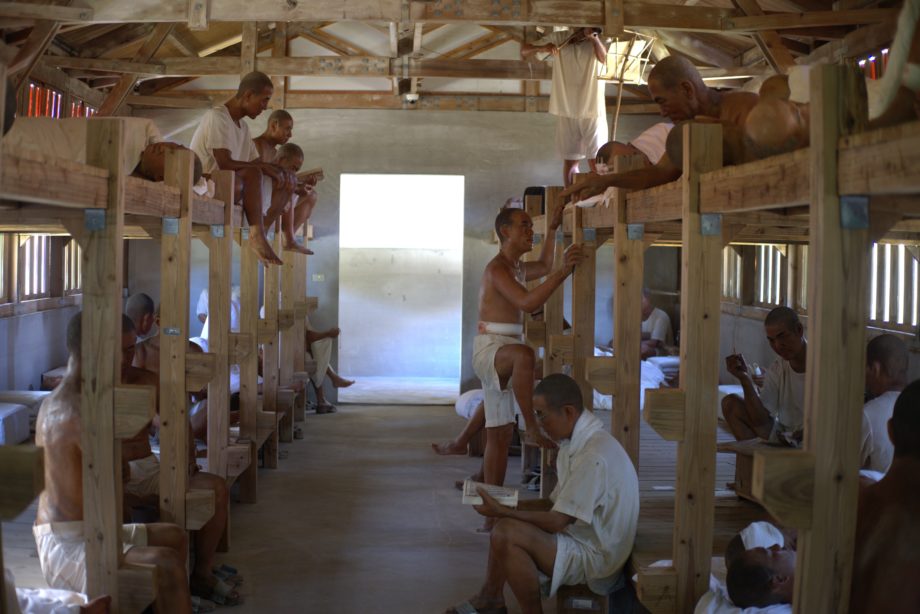
Fig. 6 Wax figures depicting the lives of political victims before lights out in the New Life Correction Camp. ©Fang-I Chu
Taken together, these worries point to what Valentina Gamberi (in this series) describes as a site’s spiritual charge: a layered assemblage of concepts and narratives (about the dead), material artefacts (like the cemetery), curatorial choices (including the prison’s original architecture and its wax figure displays), audience engagement (how visitors react to the space), and—most crucially—source community sensitivities, such as the islanders’ unease toward the site’s perceived inauspiciousness. In this sense, the museum is a spiritually volatile terrain still entangled with the present.
Interacting with the Deceased: The Spiritual Charges Involved
Islanders may not always know how to live with the ominous presence of the museum division. Yet during my stay on Green Island, I came to understand that islanders do have their own ways of interacting with ghosts. These ghosts—unsettled spirits—are considered unpredictable, sometimes disturbing the living in hopes of receiving offerings. They are not formally enshrined as deities in temples, nor are they carefully worshipped as household ancestors. But they are not always malevolent either.
Some older fishermen shared that before going out to sea, they would burn specific types of joss paper for sea-ghosts, hoping for both fortune and safe passage. One fisherman explained that if a corpse is seen floating at sea, one should help guide it to land. “If you do,” he said, “you’ll have great fortune the following year. But if you don’t, your boat will suffer—engines fail, rat bites, nothing works right.” He paused and added, “These things are uncanny.”
To safely negotiate with ghosts, islanders usually rely on an intermediary—a deity who can enforce the rules and maintain the hierarchy that ghosts are expected to obey. Among the various local deities, one figure stood out as widely trusted: the Tu-Di Gong (土地公, deity of Earth), also known as the Fu De Jheng Shen (福德正神, God of Fortune and Virtue). These are the most common deities in Taiwan. In the bureaucratic-like cosmology of Han-Chinese popular religion, they sit at the bottom level of the divine administration—yet precisely because of this, they are the most localized caretakers. Tu-Di Gong represents the prosperity of a specific place or region and is often worshipped by farmers and merchants alike (Wolf 1974).
More than just an abstract guardian of land, the Tu-Di Gong holds emotional and social significance for many local residents on Green Island. Beyond blessing prosperity, he is believed to guarantee harmony within homes and to maintain order among the dead. He mediates the tensions between the living and the departed.
For example, when a tourist once went missing at sea, the local government led a rescue team to Tu-Di Gong’s temple to pray for guidance in locating the victim. In another case, a cleaning lady working for the museum division taught me the proper etiquette when weeding around the cemetery. One must first prepare offerings—for both the Tu-Di Gong and the deceased—and then verbally inform the Tu-Di Gong about the task, requesting that he instruct the spirits not to interfere. “Otherwise,” she explained, “we could get hurt [by annoyed ghosts].”
The most elaborate and collective form of this negotiation is the annual ghost-pacifying ceremony held on the last day of the seventh month in the lunar calendar. On this day, residents gather at local temples to show respect to ghosts under the witness of the deities. Many choose to start with Tu-Di Gong. Offerings—joss paper, incense sticks, animal sacrifices (pork, fish, and chicken), and rice wine—are placed on a special table prepared for the deity. Only after these formal offerings does the ritual turn to the ghosts, who are presented with more casual fare: cooked food, beverages, candies, snacks. Islanders invite them to “come and have your meals.” Later, the joss paper for ghost is burned, marking the end of the rite.
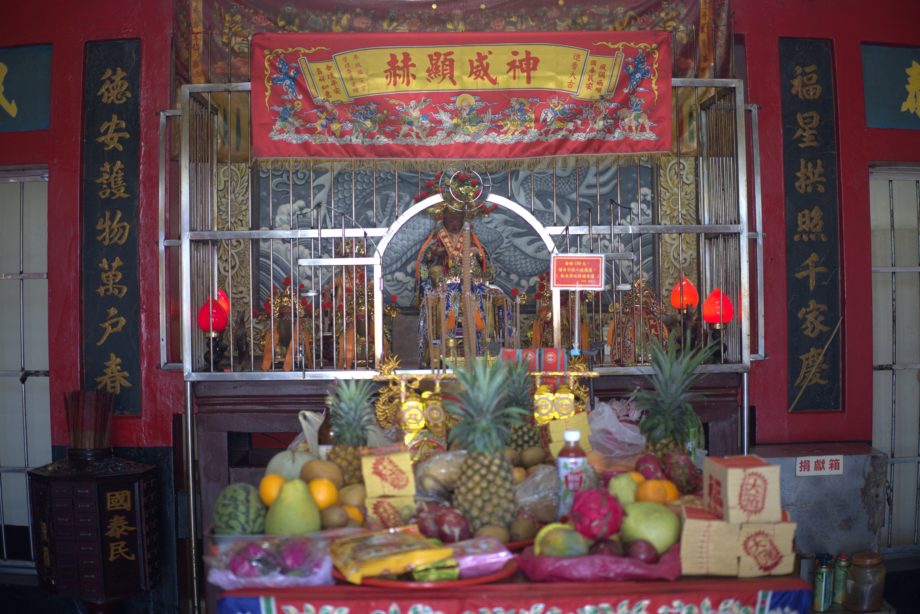
Fig. 7 On the last day of the seventh month in the lunar calendar, ample offerings are brought to the Tu-Di Gong. ©Fang-I Chu
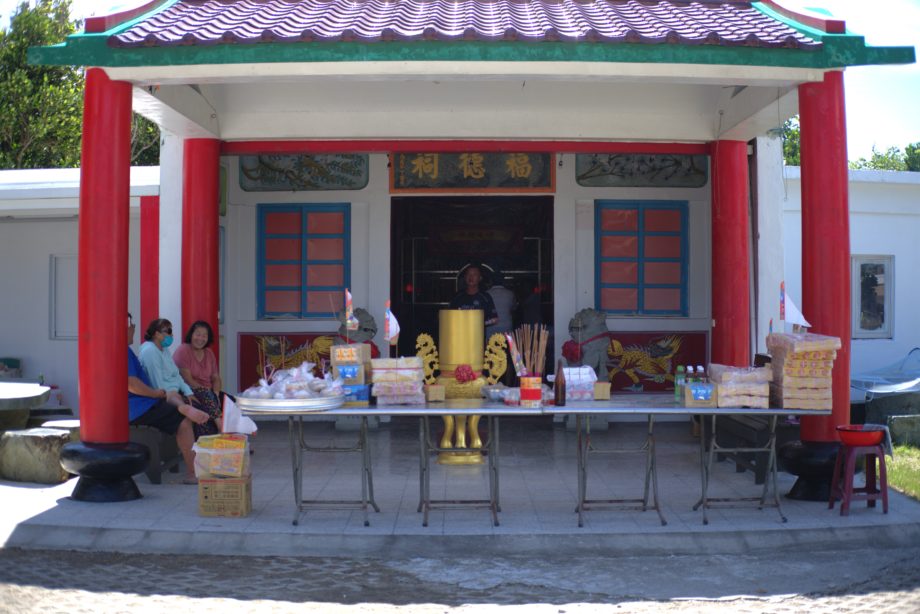
Fig. 8 While Tu-Di Gong receives numerous offerings, the ghosts are given only simple food and beverages, presented in front of Tu-Di Gong’s temple. ©Fang-I Chu
These observations reveal that local residents already possess situated methods for interacting with ghosts—sometimes even bribing them. Ghosts in this context are not inherently malicious. They are agents yearning to be acknowledged, to reestablish social ties with the living. While still uncanny, their presence can be respectfully engaged—so long as proper ritual protocols and divine intermediaries, especially Tu-Di Gong, are involved.
For this reason, I hope to incorporate Tu-Di Gong into my curatorial project. After all, the museum is already charged.
Writings: Curatorial Strategies
This curatorial work aims to provide a locally embedded, low-impact ritual practice for acknowledging the spiritual claims attached to the site. But how might Tu-Di Gong be meaningfully incorporated into such mediations? More specifically, how can the living communicate with the deity—voicing their fluid, mixed, and multi-sourced feelings about the museum division and its past?
In thinking through these questions, I turned to a common ritual in Han-Chinese popular religion: shu-wun (疏文, religious petitions). These are written prayers that include the devotee’s personal identity and the purpose of worship, expressed in a formal tone with auspicious phrasing and poetic symmetry. Usually designed by ritual specialists, these petitions are ultimately burned in a sacred fire, representing their delivery to the deity. While such practices are less common among the elders on Green Island, they do appear in certain religious ceremonies organized by younger generations—often those under fifty—who are more familiar with ritual forms practiced elsewhere in Taiwan.
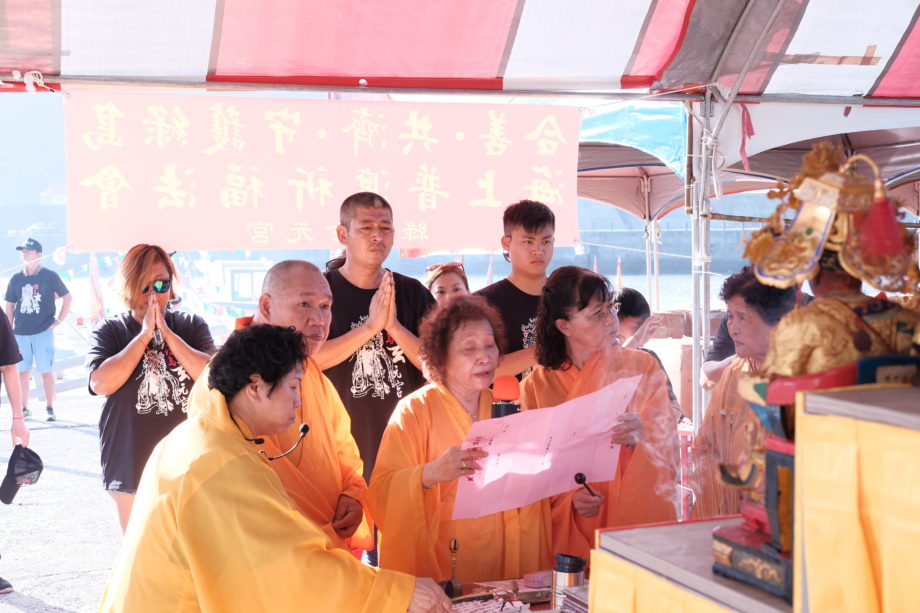
Fig. 9 Ritual experts reading a religious petition to deities during a ceremony on Green Island. ©Fang-I Ch
Drawing on this tradition, I plan to co-design a printed template as letters for Tu-Di Gong, based on advice from ritual experts. The printed form will contain a basic prayer for the deceased, but participants will also be encouraged to share personal concerns—about the museum, the political victims, or their own unresolved relations to the site. They may also choose to indicate who they are and where they live on the island. These letters will be made available inside the museum division, accompanied by an invitation for islanders to participate. They can write down their feelings about the museum division. For those who feel uncomfortable writing, I can assist by recording their words.
These letters will be read aloud to Tu-Di Gong, digitally recorded, and then ceremonially burned in special containers, formally passing them to the deity. The ritual process of reading and burning will also be documented in videos. The quantity of prayer letters collected will serve as a kind of material evidence, attesting to the spiritual concerns held by residents and visitors alike. Meanwhile, the burning ritual itself becomes a layered moment of exchange, interweaving Tu-Di Gong, the deceased, the museum division, and the living participants.
For museum staff, this curation offers a moderate, mediating gesture. It provides a ritual structure through which they can guide visitors to articulate personal feelings about the prison complex. This is particularly relevant given that many staff are themselves islanders. Their families or friends have coexisted with the site (whether in its former incarnation as a prison, or now as a museum) for decades. Yet the site’s lingering inauspiciousness, especially the cemetery, continues to shape how it is perceived. Some staff have described how their work is misunderstood by family members. These subtle tensions, too, can be carried to Tu-Di Gong.
For islanders more broadly, the invitation is simple: to bring their concerns about the museum to a local temple. Because Tu-Di Gong has long served as an intermediary between the living and the dead, such offerings allow for respectful engagement with the deceased—without fear of retaliation or harm.
For tourists, the curation offers a more respectful means of engaging with the site. For those moved by sorrow for the authoritarian past, these petitions provide a ritual space to express those feelings within a culturally appropriate framework. This may help broaden the dialogue between human rights advocates, social elites, and local residents. And for those who come seeking thrills, the petition papers offer a more formal—and perhaps more reflexive—way to engage with the haunted past. The spirits, after all, still long to be acknowledged. They deserve to be addressed with care, not consumed as spectacle.
Rethinking Art as Representation
Being trained as an anthropologist, I did not regard myself as a qualified artist. When preparing this plan for the Museum Charge workshop, I was worried that my attention to mundane details might seem boring or trivial to other artists or curators. To my surprise, I received some encouraging feedback.
First, this case turned out to be quite the opposite of many museum challenges, where visitors often have no idea that certain exhibits are spiritually or ritually charged. In such cases, curators have to work hard to foreground the religious or spiritual dimensions of an artifact. In contrast, Green Island’s museum division is already charged—visitors and residents alike can feel it.
Second, my idea of writing and burning letters to a deity resonated with ritual practices from other parts of the world. Writing and destroying ritual tools—whether through burning, floating, or burying—is a common and important ritual process across many traditions. Still, how these practices can be adopted in museum contexts depends heavily on local protocols, sensitivities, and regulations.
Third, and perhaps most importantly, this experience made me reflect on the complex ways artists and museums can—or should—work together. In my case, emphasizing the power of the earth or broader natural forces offered a more transcendent frame of reference. This frame, I believe, gently reduced the psychological burden that some visitors might feel when confronted with historical violence. Sometimes, reducing such emotional intensity may be more effective than trying to directly “empower” audiences, especially when they are unfamiliar with the critical histories being presented—such as the authoritarian past in Taiwan.
Of course, this approach requires artists to consider how they want to relate to their audiences—not just to represent history, but to engage in dialogue. It also requires sensitivity to feedback and a willingness to let the work evolve in conversation with its viewers. In that spirit, if museums wish to collaborate with artists on spiritually or politically sensitive themes, it helps to start not just with objects or rituals, but with shared concept notes and carefully constructed spaces of negotiation.
Conclusion: Negotiating the Haunted Present
Nowadays, tensions between the living and the dead manifest through the frictions among different stakeholders on the island: the museum does not wish to be perceived as a haunted house filled with misinformation; the islanders, unless absolutely necessary, prefer to keep their distance from what they consider an ominous site; and the tourists, often chasing thrills, may unknowingly disturb the deceased—risking consequences they cannot name. These tensions cannot be resolved simply by introducing ritual practices. As the cases of non-local religious groups and some artist interventions have shown, rituals—especially when detached from local trust networks—can produce real, if unintended, impacts on islanders’ everyday lives.
That is why I proposed invoking a widely trusted local deity, Tu-Di Gong, as an intermediary between the living and the dead, offering a recognizable channel for speaking, writing, and listening across realms.
Looking back, this project grew alongside a slow realization: certain places—like Green Island—do not need to be “activated” by art or curation. The museum is already charged. Ghosts are already present. The island is already layered with grief, memory, and contestation. The question, then, is not how to amplify these forces, but how to respond—delicately, respectfully, and with enough elasticity for multiple truths and attachments to coexist.
Through this workshop, I came to see that curators, anthropologists, and artists can jointly discuss communities still grappling with the spectral residues of state violence. In this sense, the letters to Tu-Di Gong are not just offerings to a deity, but also gestures toward a different kind of authorship and accountability. They are messages not only for ghosts, but also for ourselves—as researchers, caretakers, and witnesses—reminding us that to curate the charged is not to contain it, but to stay with its uncertainties, and to let conversations unfold.
References
Wolf, Arthur. 1974. “Gods, Ghosts and Ancestors.” In Religion and Ritual in Chinese Society, edited by Arthur Wolf, pp 131–182. Stanford: Stanford University Press.
van den Hemel, Ernst, Oscar Salemink, and Irene Stengs, eds., 2022. Managing Sacralities: Competing and Converging Claims of Religious Heritage. Oxford & New York: Berghahn.
Fang-I Chu is a PhD candidate at the Institute of Cultural Anthropology and Development Sociology at Leiden University. She holds an MA in Anthropology from National Taiwan University. Her research investigates the complex intersections of state violence, political memory, island tourism, and local religious practices in shaping contemporary representations of Green Island, Taiwan. She examines how traces of authoritarianism and beliefs about lingering spirits influence heritage conservation. Her recent book chapter, “Ruins of Remains: Unpacking Narratives about a Cemetery of ‘Political Victims’” is published in March 2025 (Berghahn Books).